Common areas and condominium services: which amenities justify a higher maintenance fee
Amenities appear in the brochure; the maintenance fee is paid every month. A pool, a gym, or a tennis club add appeal, but they also add expense, and that expense is divided among all owners. The useful question is not "how many amenities does it have?", but "which ones will I use or will they help me rent and sell, and how much do they cost per year?". I'll explain how to think about it.
What we know about fees
An article from inmobiliario.do (February 2026) explains that, according to Law 5038, maintenance fees are mandatory contributions from all owners, even if you don't use the amenities. They cover things like cleaning of common areas, shared services, elevators, security, landscaping, administrative staff, and minor repairs, and are calculated according to the bylaws (equal parts, by square meters, or by coefficient). It cites monthly ranges of RD$5,000–10,000 in older or basic buildings, RD$10,000–20,000 in areas with more services in Santo Domingo, and figures over US$1,000 in resort-type complexes. These are references from a media outlet, not specific to Punta Cana or independently verified: always ask for the actual fee of the project you're interested in.
Questions that organize the decision
What exactly does the fee include? Security, water, internet, gas, garbage collection, pool maintenance, staff, building insurance.
What is charged separately? Gym use, courts, club house, additional parking.
How much goes to the reserve fund? A healthy fund avoids surprise assessments.
Is the fee realistic? A fee that is too low can mean insufficient maintenance or strong future increases.
Who manages it and with what transparency (budgets, meeting minutes, financial statements)?
Amenities that usually justify their cost
This is general criteria, not a rule:
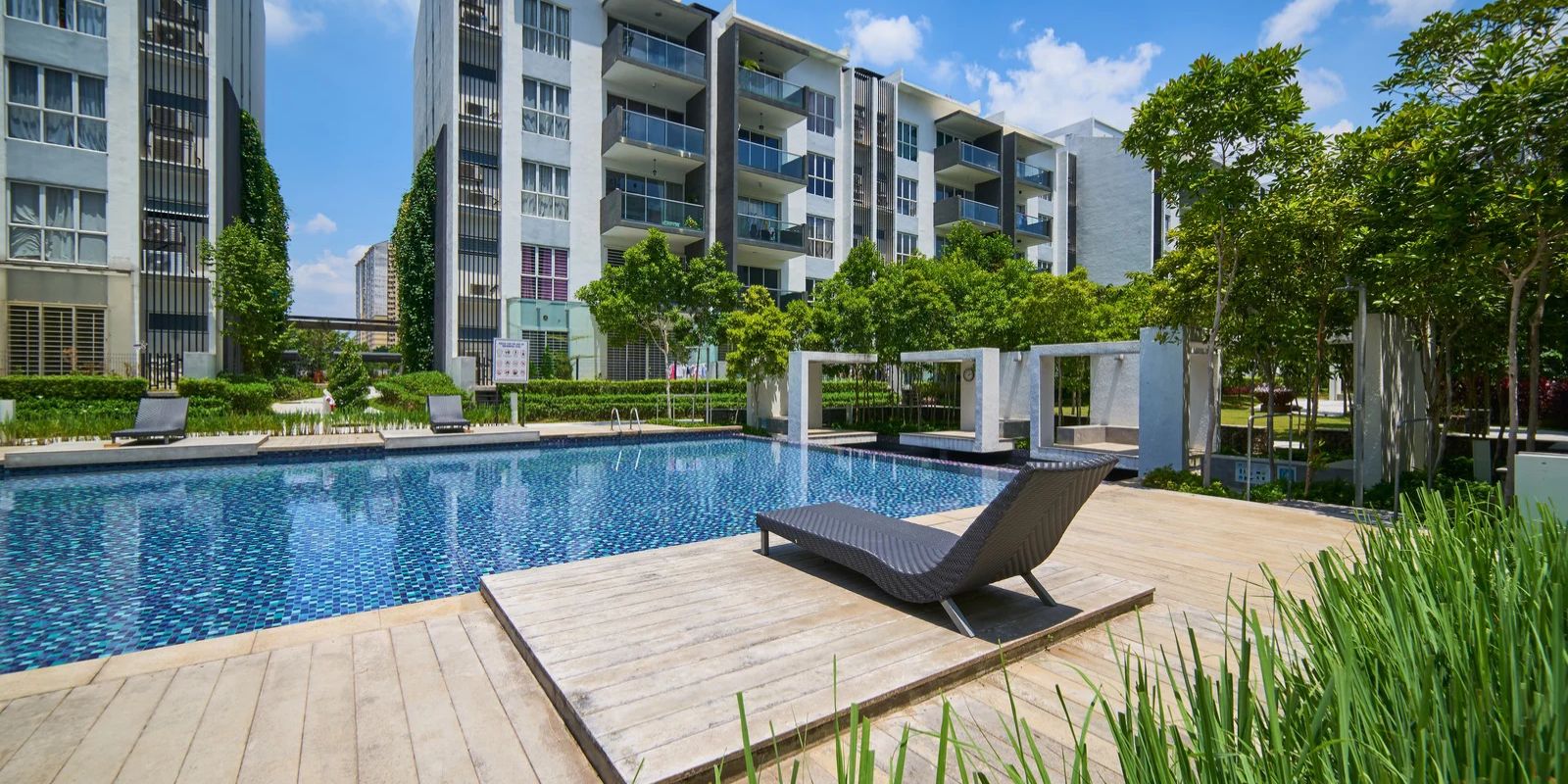
✔ Security and access control well managed. It is what weighs most on the peace of mind of those who live there and those who rent. ✔ Well-maintained pool. It is the most valued amenity in the Caribbean, and its condition is noticeable in photos and reviews. ✔ Power plant and reliable water supply (cistern, pumps, treatment). We already saw that these are critical points in daily life. ✔ Elevators and common areas in good condition, in multi-story buildings. ✔ Internet or fiber infrastructure in common areas, useful for those who work remotely. ✔ Well-maintained green spaces.
Amenities that deserve more careful analysis
✔ Gym: useful if you'll use it or if your guest profile values it; a poorly equipped or underused gym is an expense with no return. ✔ Sports courts (tennis, padel): attractive for certain profiles, with expensive maintenance. ✔ Club house and halls: their value depends on whether they are actually used. ✔ Spa, restaurant or bar in the complex: they can be a great attraction, but involve complex operations; ask if they are a separate business or a community expense. ✔ Multiple pools: more pools mean more water, chemicals, and staff. An ad I reviewed mentioned 16 pools; it's a promotional claim, and didn't say if their use was included in the price. ✔ "Planned" amenities: don't value them until they exist and function. ✔ Beach or beach club: verify if access is included or requires membership.
According to your goal
If you're going to live there: you'll pay for what you use daily. A high fee for amenities you don't use is a permanent cost.
If you're going to rent: look at what guests mention in reviews of the project and which amenities appear in similar unit listings. An amenity that attracts bookings can justify part of the fee; one that no one uses, doesn't.
If you're going to sell: think about the future buyer: will they be interested in those amenities, or will they see the fee as a burden?
How to compare projects with different fees
Calculate the annual fee and divide it by your expected rental income: what percentage goes to the fee?
Compare the net return of two options with different fees, not just the purchase price.
Check if the bylaws allow short-term rental, and if they limit guest access to amenities.
Ask for the annual budget, the account statement, and the reserve fund.
Ask about approved or planned assessments.
Visit the project and pay attention to actual maintenance: pools, gardens, elevators, and facades.
My advice
A good fee is one that pays for services you value and keeps the building in good condition, not the lowest or the one with the most amenities. Be wary of both suspiciously low fees and lists of amenities without evidence of use.
If you're comparing projects by their services and fees, write to me. I'm Yolanda Landínez and I'm happy to help you: write to me on WhatsApp.
Informational content, does not constitute legal or financial advice. Fee ranges come from a media outlet and are not specific to Punta Cana; confirm the actual fee and its details with the project's management.
Source: inmobiliario.do, February 2026