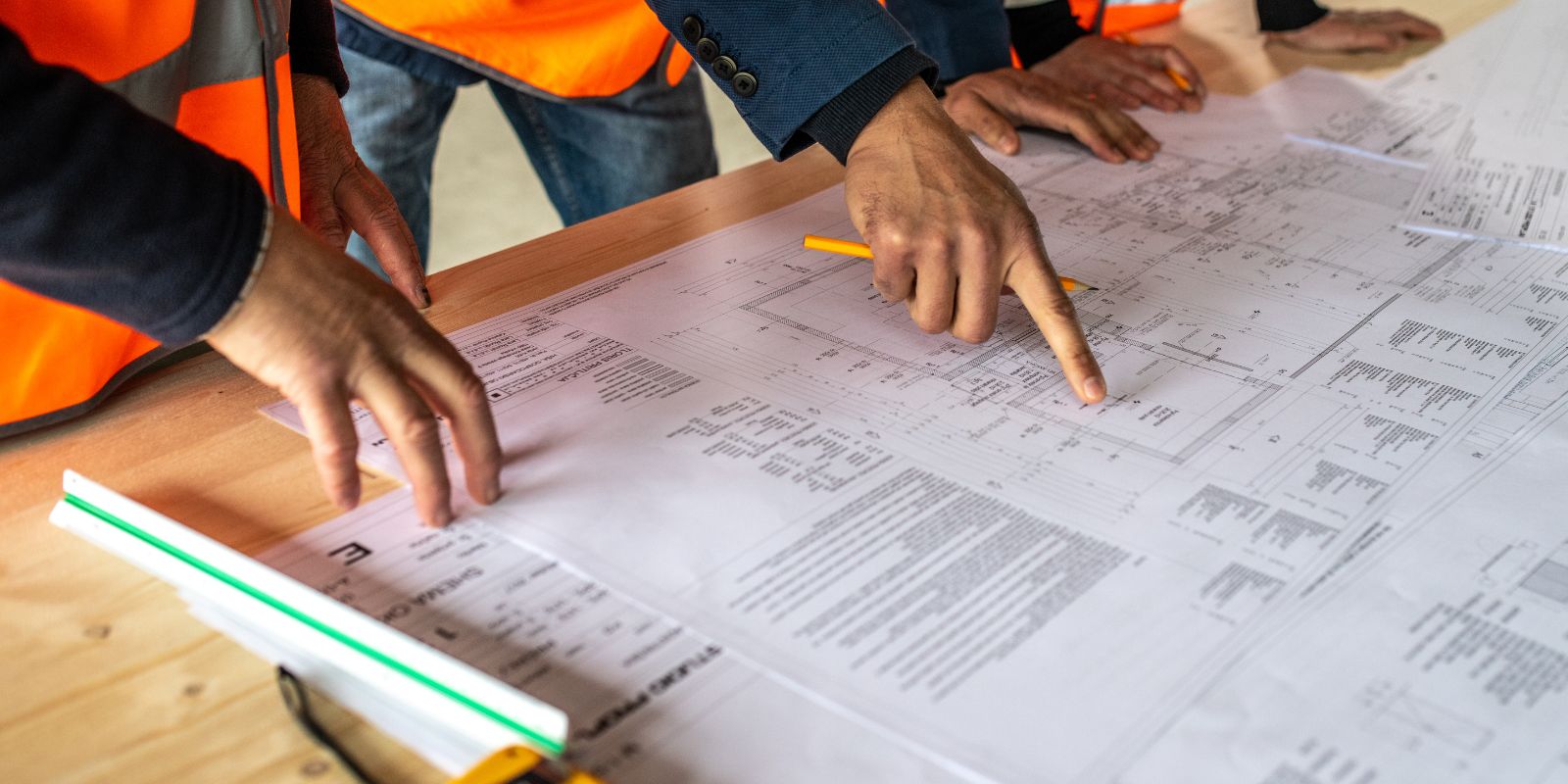
Remote construction progress: how to verify your project's real progress without traveling
Buying off-plan from Spain or Colombia means trusting that the work is progressing as promised. A new render on WhatsApp proves nothing; what matters is dated, comparable evidence, and if possible, verified by someone independent. I propose a method to follow your project without traveling. One clarification: I found no verified Dominican regulations requiring a developer to deliver progress reports to each buyer, so what follows are best practices, and the first step is to see what your contract requires.
First: what they committed to in writing
Before requesting proof, check if your contract or trust agreement provides for:
✔ A construction schedule with milestones (foundation, structure, masonry, installations, finishes, delivery). ✔ Periodic progress reports and their frequency. ✔ A relationship between payments and progress: whether your installments are tied to milestones or only to dates. ✔ Who can inspect the work and with what notice. ✔ What happens if there's a delay: compensation, right to cancel, refund.
If none of this is in writing, verification depends on the developer's good faith, and that in itself is information.
Evidence you can request
✔ Monthly progress report with percentage by item and comparison with the schedule. ✔ Dated photographs and videos, from fixed angles that allow month-to-month comparison. ✔ Drone video or live walkthrough, showing the overall project and not just favorable details. ✔ Virtual meetings with the site manager, with specific questions. ✔ Reports from the trust company, if the project is in trust, on disbursements and project status. What each trust company reports depends on the contract, and the Superintendencia de Bancos circular from March 2025 on protection of trust users requires transparency in relevant information, but, based on the text I reviewed, does not explicitly regulate accounting reports to clients.
How to verify that what you see is real
✔ Date and location: ask that photos and videos preserve metadata or include elements that prove date and place (for example, a sign with the day's date). ✔ Satellite imagery: map tools with image history can show if there's earthwork or structure on the land, although they don't update at the same frequency in all areas. ✔ Other buyers: talk to those who have recently visited the site. A group of buyers is a good source of verification. ✔ Neighbors and nearby businesses, if you have a contact in the area. ✔ Comparison with permits: that the work corresponds to what was licensed, as we saw in articles about permits.
The most solid option: an independent third party
✔ An engineer or architect you trust who visits the site, takes measurements and photos, and delivers you a report. I haven't verified a public reference fee; ask for a quote. ✔ Someone with no relationship to the developer, so their opinion is independent. ✔ An agreed checklist (structure, levels completed, installations, compliance with plans). ✔ Visits at key milestones, like completion of structure or before finishes, more useful than random visits.
A hypothetical example of a red flag
Imagine (made-up figures) that your payment plan has already collected 50% of the price, but the independent report indicates the work is halfway through the structure, far from halfway through the project. That difference between money paid and work done is a signal to ask for written explanations, review the construction schedule, and consult your lawyer, without accusing anyone. There may be legitimate reasons (advance material purchases, for example), but they need to be explained with documents.
Red flags
✔ Only renders and no construction photos, or generic photos that don't change. ✔ Reports that change format or disappear when you ask. ✔ Refusal to allow a third party to visit the work. ✔ Successive delays without an updated schedule. ✔ Payments that continue on schedule even though work stops. ✔ Changes of contractors or managers without notice.
What to do if something doesn't add up
Ask in writing and request a dated response.
Compare with your contract schedule and your payments made.
Consult your lawyer about what rights you have (compensation, interest, cancellation) under your contract.
Inform the trust company, if the project is in trust.
Coordinate with other buyers, who usually have the same concerns.
Don't stop payments on your own without legal advice, because it may trigger contractual penalties.
My advice
Verifying is not distrusting: it's part of managing a large investment. Good developers usually share progress information naturally. If yours doesn't, it's worth knowing before continuing to pay.
If you want me to help you request a progress verification checklist for your project, write to me. I'm Yolanda Landínez and I'm happy to assist you: write to me on WhatsApp.
Informational content, not legal or technical advice. These are general best practices, not verified legal requirements; the example is hypothetical.
Sources: Superintendencia de Bancos, Circular CSB-REG-202500005 (28/03/2025)