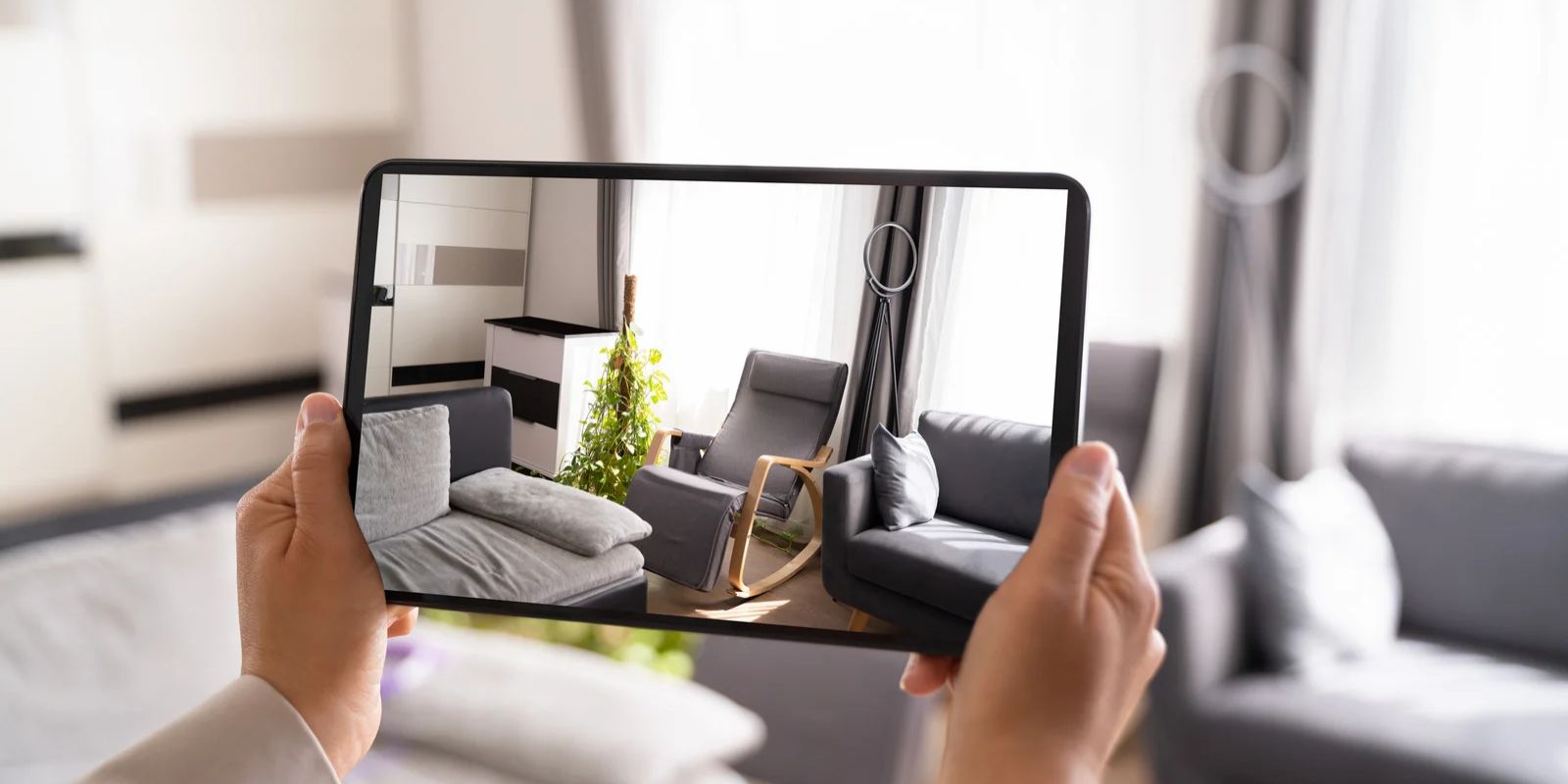
Buying from Spain or Colombia with virtual tours: how to do it safely
More and more people are starting to buy in Punta Cana from home: video calls, virtual tours, remote signatures. It's possible, and many do it. But when you can't see the property in person, verifications become more important, not less. I'm sharing a method with one clarification: I didn't find reliable statistics on how many remote purchases go wrong, so I won't give you figures; I will give you a sequence of steps that reduces risks.
What a virtual tour can (and cannot) show you
✔ It can show layout, light, views, and apparent general condition.
✘ It doesn't show smells, humidity, noise, or what the neighborhood is like at night.
✘ It doesn't prove who the owner is, nor that the property is free of liens.
✘ A video could be from another unit, from another time, or from a render.
That's why a virtual tour is for ruling out and filtering, not for deciding.
How to do a good virtual tour
Request a live video call, not just a recorded video. Ask the guide to show you what you request: faucets, windows, ceilings, corners, bathrooms, street, entrance.
Ask to see the numbering of the unit and building in the same view, to confirm it's the one advertised.
Ask to tour the surroundings: access, shops, noise, street condition.
Request recent photos with dates and, if there's construction nearby, the current state.
If it's presale, ask to see the actual work (not just renders) and the progress, with dates.
Ask about noise, humidity, leaks, and mosquitoes. And how the unit behaves when it rains.
Verifications that cannot be done on video
✔ Title and owner: an independent Dominican lawyer must request the Title Certificate and verify that the seller is the owner and that there are no liens.
✔ Condominium account statement and regulations.
✔ In presale: permits, land use, developer's track record, how your payments are protected.
✔ Identity of the seller and agent: in the Dominican market there is no mandatory state license for agents, so verify who represents you.
Safety rules for remote buyers
✔ Hire your own lawyer, not the seller's or the one recommended by whoever is selling to you.
✔ Don't transfer money to personal accounts or account numbers sent by message. Confirm banking details through a different and verifiable channel.
✔ Be wary of deals that are too good, pressure to close quickly, and any request to pay "under the table".
✔ Be wary of last-minute changes in the payment account or terms.
✔ Keep everything in writing: emails, contracts, receipts, proof of payment.
✔ Use an escrow or trust account when possible.
✔ Before transferring, confirm that the contract is signed and reviewed.
Remote signature: power of attorney
If you're not going to travel, there's the option of a notarial power of attorney granted in your country and apostilled (or legalized), so that a trusted person can sign on your behalf. We've already seen step by step how to do it from Spain and from Colombia. Choose very carefully who you give that power to and limit their authority in writing. Regarding digital signature and remote notarization in the Dominican Republic, consult with your lawyer about what is accepted today in your case.
An intermediate option
If you can, combine both: filter by video and travel once to see your favorite and close with your lawyer. A week-long trial in the area, as we discussed in another article, also helps you get to know the surroundings.
Taxes in your country
If you reside in Spain or Colombia, check with a tax advisor your obligations for owning a property abroad. This is a separate consultation from the purchase.
My advice
A virtual tour helps you fall in love cautiously; an independent legal review helps you buy peacefully. Don't substitute the second for the first.
If you're buying from Spain or Colombia and want to talk about how to organize it, write to me. I'm Yolanda Landínez and I'd be happy to assist you: write to me on WhatsApp.
Informational content, does not constitute legal or tax advice. No verified statistics on fraud in remote purchases were found; always hire an independent Dominican lawyer.