Dominican customs worth knowing before moving: how people treat each other, schedules, and the daily rhythm
A move is not just changing houses: it's changing your pace. And understanding local customs from the start saves you frustration and opens doors. I'm sharing what I most often see, knowing these are generalizations and that each person is different.
How people treat each other: warmth and personal relationships
✔ Greetings matter. Entering a place or starting a transaction with a cordial greeting ("good morning", "how are you?") is part of courtesy. Skipping the greeting and going straight to business can be perceived as rude.
✔ Formality at first. A guide on Dominican business culture (informational source from an advisory firm) indicates that handshakes are common at first meetings and it's best to wait to be invited before using informal speech, especially in formal settings and with older people.
✔ Relationships matter. The same source notes that business and transactions rely heavily on personal relationships and trust. Taking a few minutes to chat usually yields better results than getting straight to the point.
✔ Indirect communication. It's common to soften a "no" with phrases like "we'll see". Reading the tone and confirming important details in writing helps avoid misunderstandings.
✔ Respect for elders and hospitality. Courtesy gestures are valued and kindness toward visitors is common.
Schedules and punctuality
✔ The same guide indicates that arriving on time is courteous, although meetings often start late; as a foreigner, you are expected to be punctual.
✔ Stores, banks, and offices have varying hours; always verify before going, especially for official procedures.
✔ Holidays can change the availability of offices and services (I'll leave you the calendar in another article).
✔ In everyday life, many activities are concentrated in the early hours because of the heat, and the social rhythm extends into the afternoon-evening.
The pace of procedures
Processes may require multiple steps, visits, and approvals. Patience, courtesy, and consistent follow-up usually yield better results than pressure. If you work with local lawyers or administrators, ask for estimated timelines, but allow for some leeway.
Social life
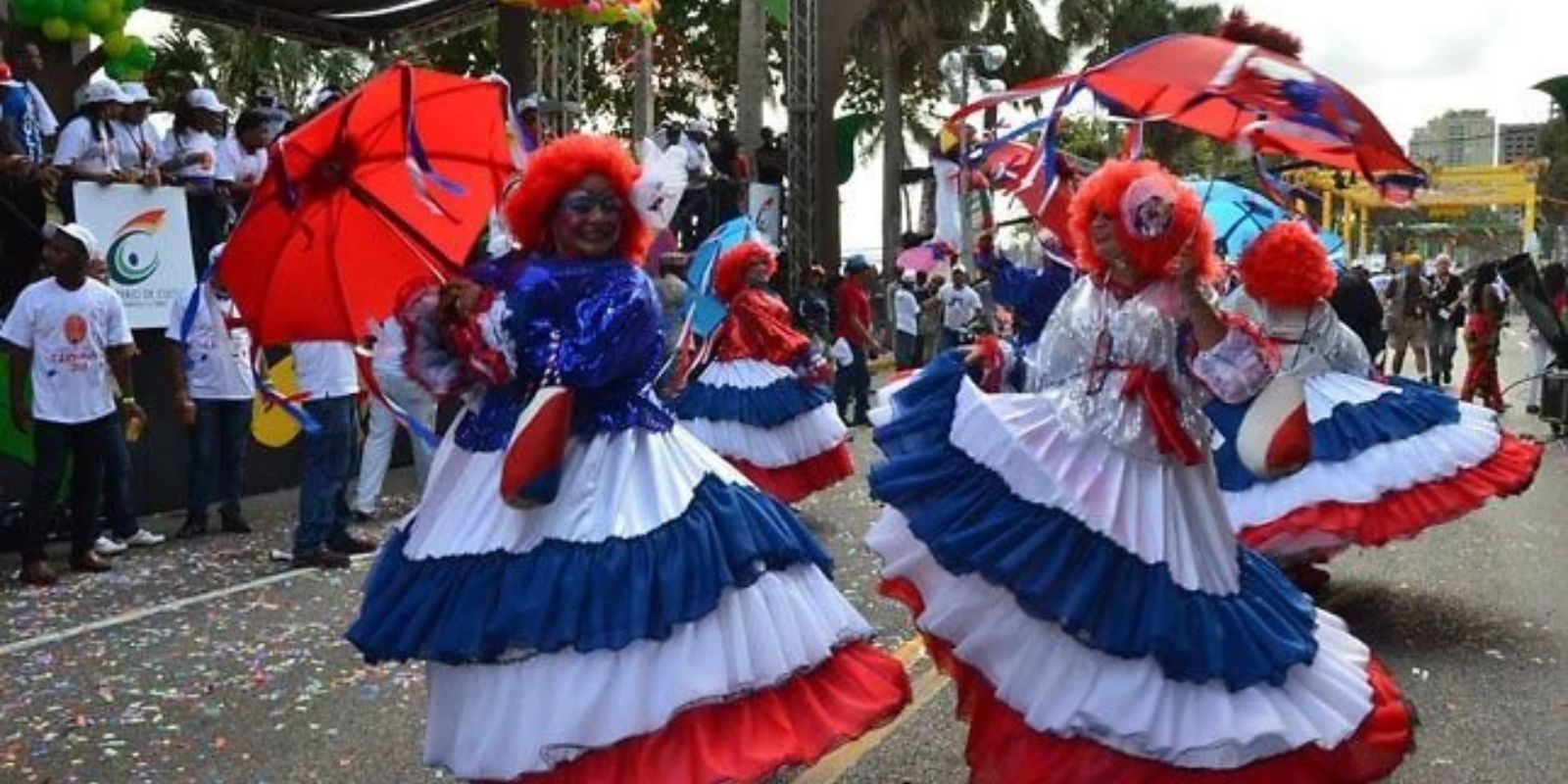
✔ Music, dancing, family gatherings, and encounters with neighbors are an important part of life.
✔ It's common to be invited to share; accepting with gratitude is well received.
✔ Weekends and celebrations hold a central place in social life.
✔ Noise and music may be more common than in other countries; if it matters to you, ask about the atmosphere of the community before choosing a home.
How to adapt successfully
Observe before you judge. The first few weeks are for learning.
Avoid constantly comparing with your country; it helps you integrate.
Be kind and patient, even when something takes time.
Learn local idioms and gestures.
Rely on trusted people (neighbors, administrator, lawyer).
Respect the community rules of your neighborhood.
A note of honesty
There is no single homogeneous "Dominican culture": there are differences between regions, generations, and environments. What I describe is a general guide, which may not match your specific experience.
If you're preparing your move to Punta Cana and want to chat about adaptation, write to me. I'm Yolanda Landínez and I'm happy to help: write to me on WhatsApp.
Informational content. Cultural observations are generalizations based on informational sources and everyday experience; they do not describe all people.